National Palace Museum & Yehliu Geopark: Entry Ticket
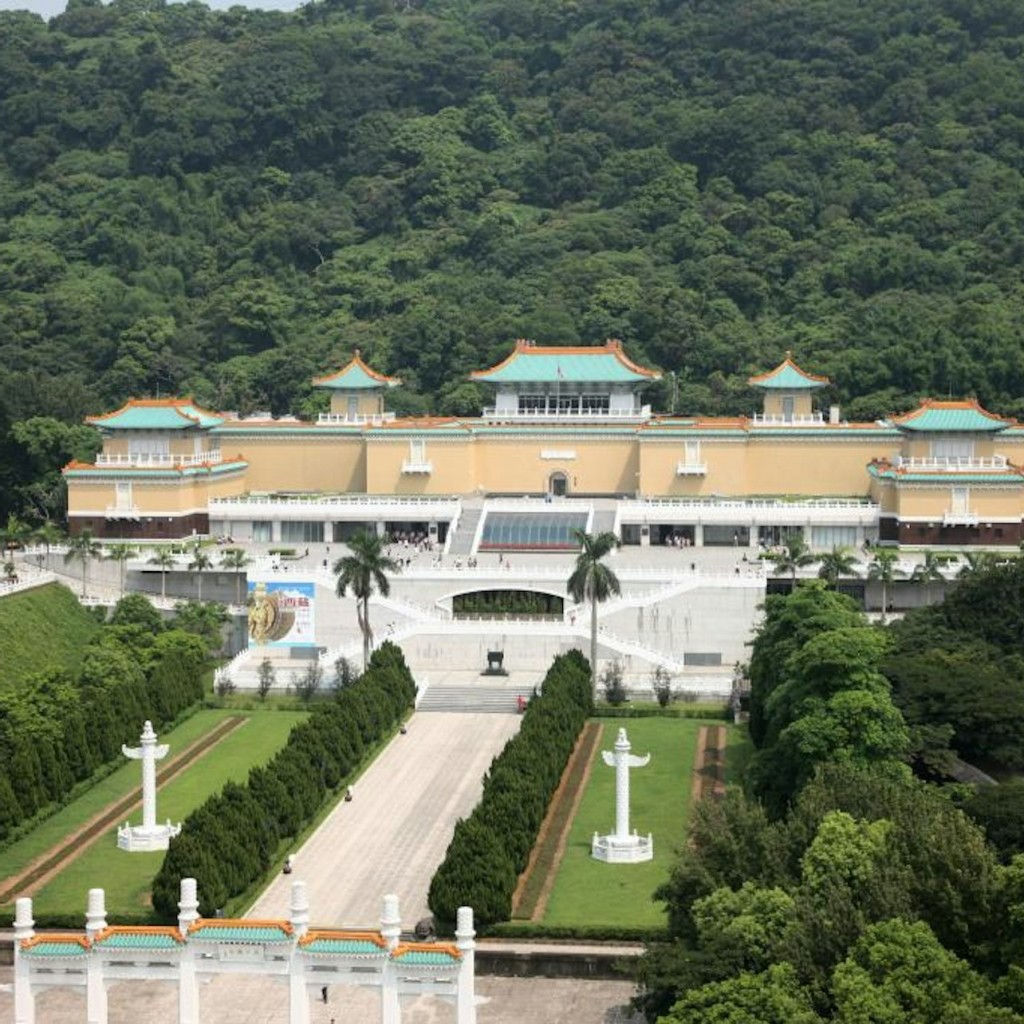
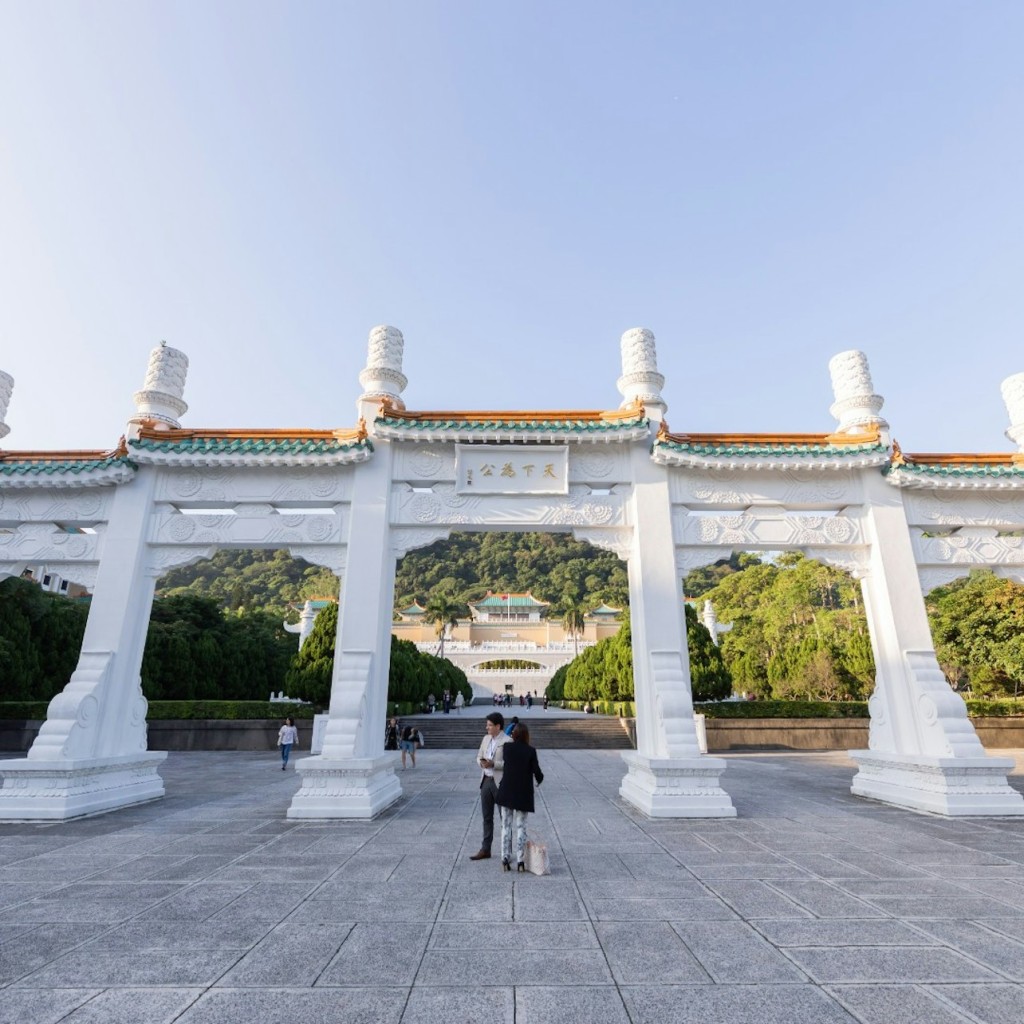


Capture the stunning architecture, intricate artifacts, and serene gardens that make the Museum a visual feast and cultural treasure.
The National Palace Museum in Taipei is a world-renowned cultural landmark, home to one of the largest collections of Chinese imperial artifacts. Its vast and exquisite exhibits narrate over 5,000 years of Chinese history, art, and culture, making it a must-visit for history enthusiasts and art lovers alike. Exploring this treasure trove offers a unique journey through ancient China, where every artifact tells a story of dynasties, craftsmanship, and tradition. Visitors often describe their experience as awe-inspiring and enlightening, making it a highlight of any trip to Taipei. Whether you're interested in jade, ceramics, paintings, or imperial treasures, the museum provides an immersive cultural experience that enriches your understanding of China's rich heritage.
Casual attire is appropriate; comfortable shoes are recommended for walking around the museum and gardens. No specific dress restrictions are enforced.
What's Included
What's Excluded
Know Before You Go
How It Works
Important Information
Before purchase
Free entry for children 0-17 years old.Must know
Taiwanese passport holders are ineligible for this offer.How to use
National Palace Museum (North Branch): 221, Sec. 2, Zhi Shan Rd, Shilin District, Taipei City. Take MRT Tamsui-Xinyi Line to Shilin Station, transfer to bus Hong 30 at Exit 1, alight at Palace Museum Station. Yehliu Geopark: 167-1, Gangdong Rd, Wanli District, New Taipei City. Scan the QR code at the entrance to enter.Instructions
What to Expect
About National Palace Museum Taipei Tickets, Tours & Visitor Information
The National Palace Museum in Taipei is an iconic institution housing an extensive collection of Chinese imperial artifacts, artworks, and historical relics. Established to preserve China’s cultural history, the museum's impressive structure is set amidst beautiful gardens and traditional architecture, creating an ideal environment to appreciate Chinese art. The museum's exhibits are organized across multiple halls, each dedicated to different dynasties and categories such as calligraphy, ceramics, bronzes, and jade pieces. Visitors can explore interactive displays, detailed descriptions, and guided tours that enrich their understanding of the artifacts. The museum also hosts temporary exhibitions, educational programs, and cultural performances, offering a dynamic experience for visitors of all ages. What makes the National Palace Museum truly unique is its vast collection, much of which was preserved through centuries of Chinese history and politics. The museum's treasures once belonged to emperors and scholars, representing the pinnacle of Chinese craftsmanship and aesthetic achievement. Its blend of history, art, and culture provides an unparalleled insight into the legacy of Chinese civilization.
Highlights
Why Book Online?
Booking your tickets online guarantees skip-the-line access, saving you valuable time and allowing for seamless planning. You’ll secure your entry in advance, avoiding queues and ensuring a smooth visit. Comparing ticket options online also helps you find the best deals and additional tours or packages, making your experience both convenient and cost-effective.
History
The National Palace Museum was established in 1965 to house the Chinese imperial collection that was relocated from Beijing during the Chinese Civil War. Its origins trace back centuries, with many artifacts dating to the Shang, Zhou, Han, Tang, Song, Ming, and Qing dynasties. The collection was initially housed in the Palace Museum in Beijing but was moved for preservation amid political upheavals. Today, the Taipei site serves as a cultural custodian, representing the legacy of Chinese art and history. The museum's collection comprises over 690,000 artifacts, though only a fraction is on display at any given time. Its holdings include some of the world's most treasured antiquities, such as the famous jadeite cabbage and the Meiyintang ceramics. The museum continues to expand through acquisitions and international exchanges, maintaining its status as a premier destination for cultural exploration.
Opening Hours
Typically open from morning to late afternoon, with hours often from 9:00 AM to 5:00 PM. Closed on major holidays, and extended hours may apply during special exhibitions. Please plan your visit accordingly.
Best Time to Visit
Visit during spring (March to May) or fall (September to November) for pleasant weather and lighter crowds, enhancing your museum experience.
What to See Inside
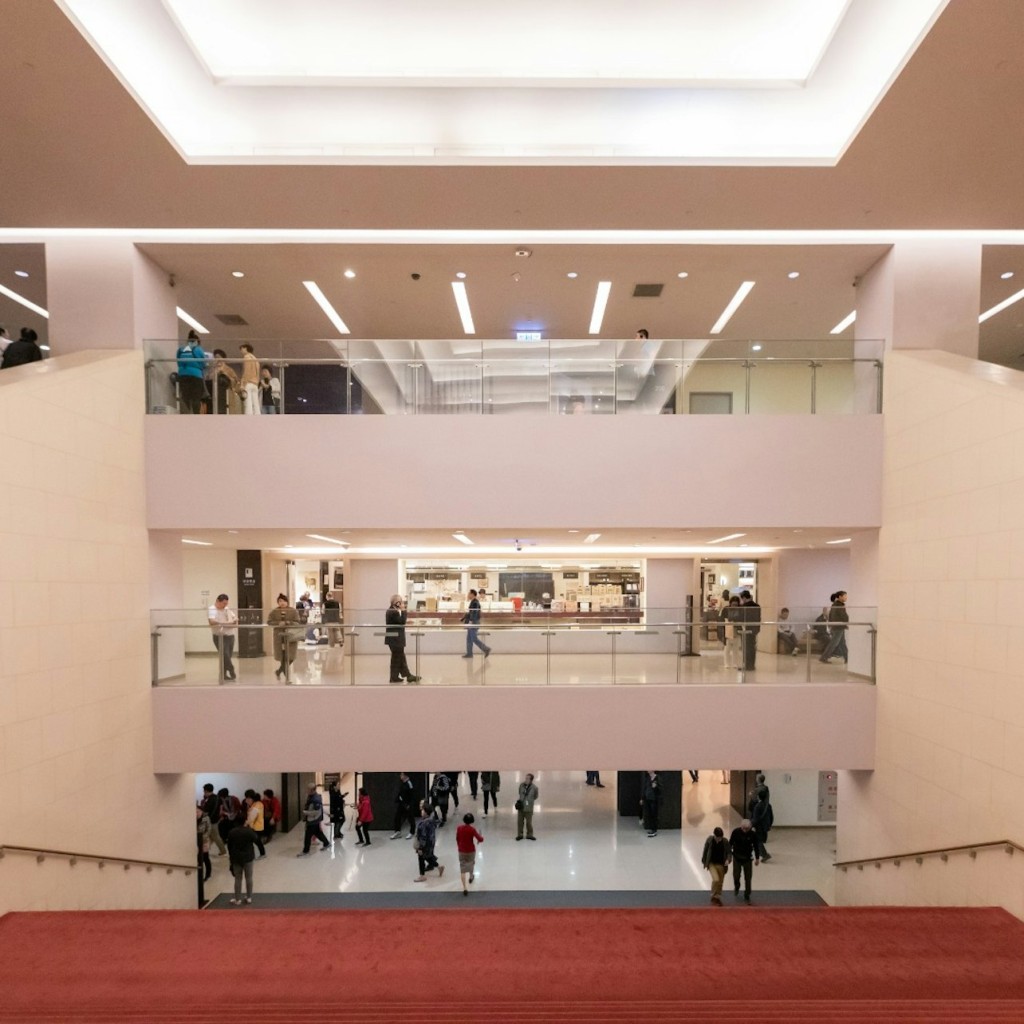
Inside the museum, you'll find several main exhibition halls showcasing China's imperial past. The Zhongzheng Hall features ancient bronzes and ceremonial vessels, while the Nantian Hall displays exquisite ceramics and porcelain. The Wenian Hall highlights Chinese calligraphy and paintings, offering a glimpse into traditional art forms. Temporary exhibits may showcase cultural festivals, modern art collaborations, or rare artifacts. The museum also offers multimedia displays, interactive stations, and a dedicated gift shop, providing comprehensive access to Chinese history and craftsmanship.
Things to Know
When visiting, wear comfortable shoes due to extensive walking, and consider bringing a camera for photos. Accessibility amenities are available, but some areas may have restrictions. Be aware of peak times on weekends and public holidays for a more relaxed experience. Audio guides and brochures are available in multiple languages.
Visitor Rules
No flash photography, no touching artifacts, and maintaining silence in exhibition halls. Food and drinks are prohibited inside. Please keep your belongings respectful and follow staff instructions during your visit.
Is It Worth Visiting?
A visit to the National Palace Museum offers a rare opportunity to delve into Chinese history and art, making it an enriching experience for any traveler. Its impressive collection and serene surroundings provide a cultural retreat that enriches your understanding of China’s artistic heritage. Whether you're an art lover or history enthusiast, this museum is well worth your time.
Frequently Asked Questions
On average, visitors spend about 3 to 4 hours exploring the main exhibits and enjoying the surroundings.
Yes, guided tours can be booked in advance, offering detailed insights into the collection and history.
Yes, tickets are required, with special discounts for students and seniors. Some exhibitions may have additional charges.
Photography is generally allowed without flash, but tripods and selfie sticks may be restricted in certain areas.
Absolutely, with many interactive exhibits and educational programs designed for younger visitors.
Yes, the museum is wheelchair accessible, with ramps, elevators, and accessible restrooms.
Exhibition descriptions are available in multiple languages, including English, Chinese, and others depending on the section.
How to Get There
The museum is accessible via Taipei Metro; take the Taipei Main Station and transfer to the Shilin Line to reach the Shilin Station, then walk or take a short bus ride to the museum. It is also reachable by taxi or hop-on-hop-off tour buses.
Casual attire is appropriate; comfortable shoes are recommended for walking around the museum and gardens. No specific dress restrictions are enforced.