Oskar Schindler’s Factory & Ghetto Guided Tour (English Guided Tour of Schindler’s Factory + Ghetto + Kazimierz)

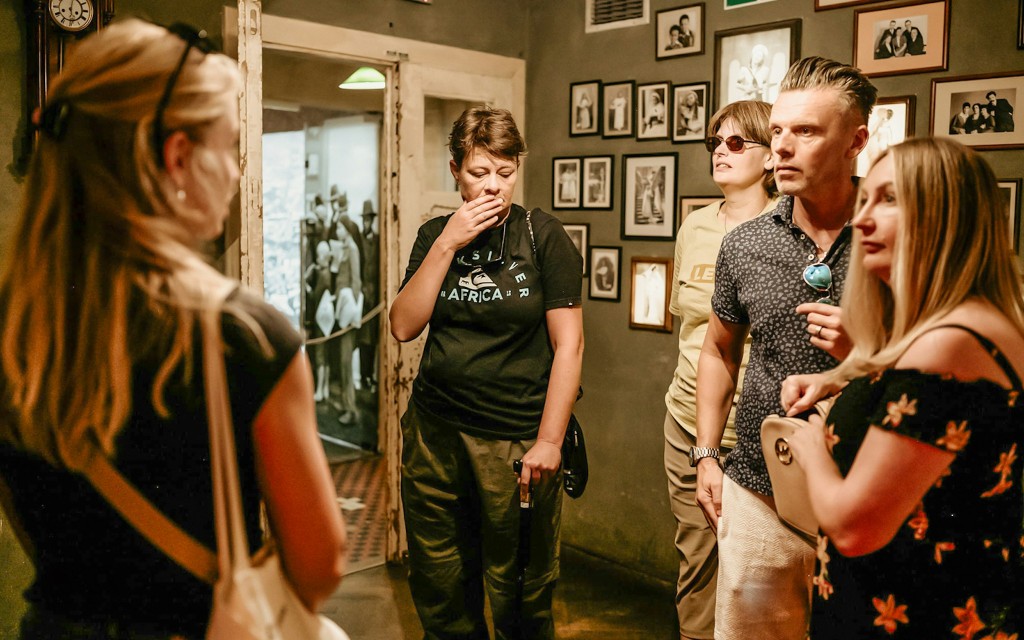
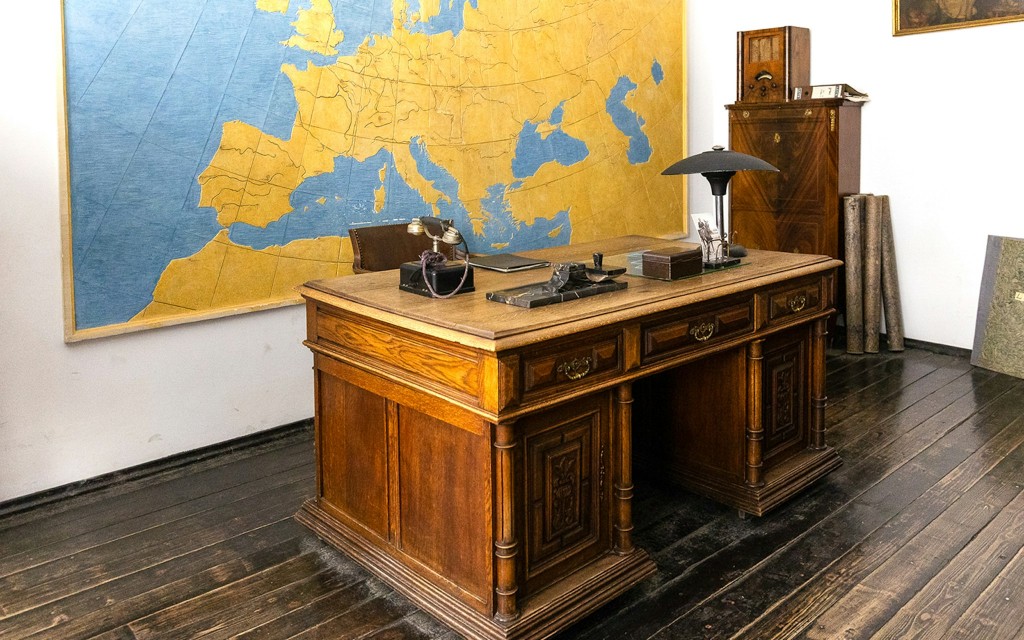
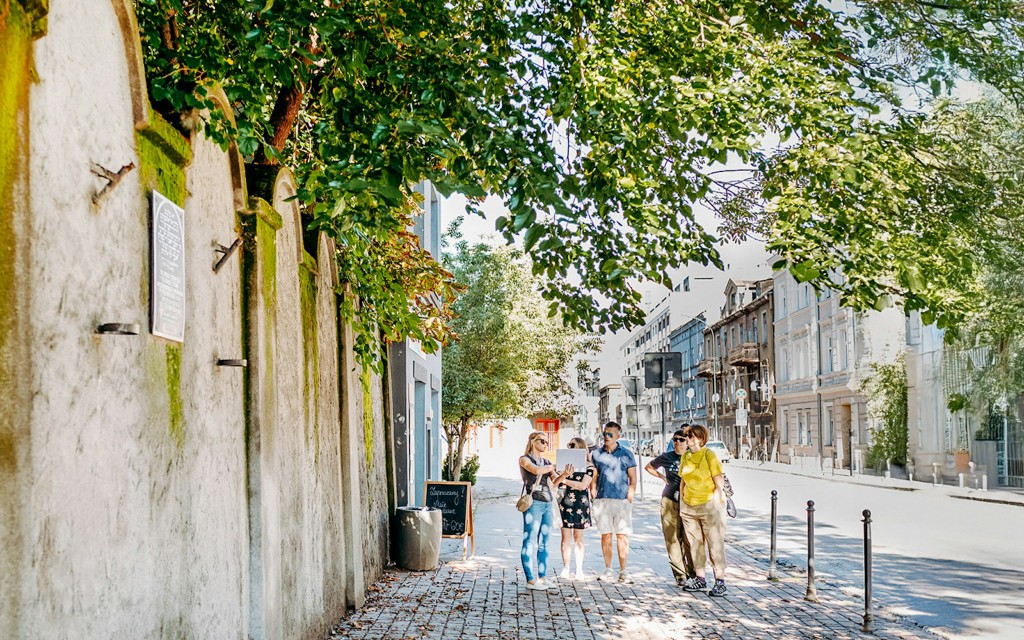


Explore our gallery showcasing the exhibits, artifacts, and poignant moments captured during the visit to the Oskar Schindler Museum.
Discover the compelling history of Oskar Schindler and the remarkable stories behind one of the most significant museums in Krakow. This museum offers a profound insight into wartime history, set within the former enamel factory where Schindler's life and deeds are vividly brought to life. Exploring its exhibits provides a unique perspective on heroism and resilience during one of history’s darkest eras. Visiting this museum is more than just an educational experience; it's an emotional journey that connects visitors with personal stories of bravery and sacrifice. Walk through preserved artifacts, photographs, and interactive displays that paint an authentic picture of life during the Holocaust, inspiring reflection and remembrance at every turn.
Comfortable and modest attire is recommended. Since the museum is housed within an old factory building, dress appropriately for potentially cool indoor temperatures.
Your experience
Trace the history of Krakow’s Jewish Ghetto and Schindler’s Factory on this 3-hour guided tour with skip-the-line entry.
Getting started
Meet your guide near the main entrance of Schindler’s Factory or the designated meeting point in Podgórze. After a quick ticket check and introduction, your guide will outline the route and share essential background before you begin exploring.
What to expect
Oskar Schindler’s Factory & Jewish Ghetto
Step into the story of Nazi-occupied Krakow as you visit Oskar Schindler’s Factory, a site made famous by its role in saving Jewish lives during World War II. Walk through the historic streets of Podgórze, once the heart of the Jewish Ghetto, and encounter sites that shaped Krakow’s wartime legacy.
Features
-
Schindler’s Factory: Explore the preserved factory where Oskar Schindler employed and protected Jewish workers, learning about his legacy and the events that inspired “Schindler’s List.” See personal artifacts, photographs, and the permanent exhibition 'Krakow under Nazi Occupation 1939-45'.
-
Heroes’ Square: Visit the 68 Empty Chairs memorial, a powerful tribute to the victims and survivors of the ghetto.
-
Podgórze Ghetto: Walk past remnants of the original ghetto wall and former residences, gaining insight into daily life under occupation.
-
Pharmacy Under the Eagle: Discover the story of this pharmacy, which served as a crucial support point for the Jewish community during the war.
-
Multilingual live guide: Tours are available in English, French, German, or Spanish, ensuring an in-depth historical context.
-
For deeper insight into Jewish life, upgrade to a walking tour of Kazimierz — the once-prosperous Jewish quarter before the community was relocated to the Ghetto during Nazi occupation.
What's Included
What's Excluded
Know Before You Go
What to bring
-
Valid photo ID that matches the name on the ticket
-
Comfortable walking shoes (the tour involves extended periods of walking)
Accessibility
-
The attraction is accessible for wheelchair users.
-
This experience is not suitable for people with claustrophobia.
What’s not allowed
-
Large bags, suitcases, and oversized luggage
-
Pets, except for registered service animals
-
Food and drinks
-
Alcohol, drugs, and any form of intoxication
Instructions
What to Expect
About Oskar Schindler Museum Tickets, Tours & Visitor Information
The Oskar Schindler Museum is housed in the historic enamel factory where Schindler employed Jewish workers during World War II. It serves as a tribute to Schindler’s efforts to save over a thousand Jews from the Holocaust, showcasing artifacts, photographs, and multimedia exhibitions that tell his story and that of those he helped. The museum layout includes several themed sections: the factory’s industrial history, personal stories of the workers, and detailed accounts of Schindler’s transformation from a businessman to a hero. Interactive exhibits and multimedia presentations bring history to life, capturing the emotional gravity of the period. Unique features include original documents, personal belongings, and reconstructed scenes that immerse visitors into that wartime atmosphere. What makes this museum stand out is its commitment to educating visitors about moral courage and human compassion amid unimaginable darkness. It offers a powerful narrative that emphasizes the importance of remembrance and tolerance, making it a must-visit for history enthusiasts and those seeking to understand the resilience of the human spirit.
Highlights
Why Book Online?
Booking your tickets online ensures skip-the-line access, saving you time and guaranteeing entry during busy periods. It allows for better planning of your visit, giving you the flexibility to explore at your own pace. Additionally, comparing tour options online helps find the best deals and packages suited to your interests, making your experience seamless and stress-free.
History
The Oskar Schindler Museum is situated in the building of the historic emal factory where Schindler’s story unfolded during WWII. Established within the factory’s preserved structure, the museum opened its doors to the public to educate about one of the most poignant chapters in history. The factory plays a central role in recounting Schindler’s efforts to protect Jewish workers from the Holocaust, transforming from a wartime industrial site to a symbol of human compassion. The museum’s exhibits include original artifacts, photos, personal testimonies, and multimedia presentations that reconstruct the narrative of Schindler and his factory’s role. By preserving these elements, the museum sheds light on heroism and the tragic history of the Holocaust, emphasizing lessons of tolerance and moral courage. Over the years, it has grown into a key educational and memorial space in Krakow, attracting visitors from around the world seeking to remember and learn from this dark chapter of history.
Opening Hours
The museum operates daily, typically from 10:00 AM to 6:00 PM, with occasional extended hours during peak seasons. Closed on certain holidays, so it’s recommended to check specific days before visiting.
Best Time to Visit
Visit during spring or early fall for pleasant weather and fewer crowds. Early mornings or late afternoons are ideal for a quieter experience.
What to See Inside
Inside the museum, visitors are greeted with a range of exhibits across multiple sections. The industrial machinery and original factory setting offer a glimpse into the wartime working environment. Personal artifacts like letters, photographs, and clothing of the Holocaust victims personalize the history. Interactive displays and audiovisual presentations provide context and emotional depth. One key section focuses on Oskar Schindler himself, detailing his journey from a profit-driven businessman to a humanitarian. The stories of those he saved are displayed through personal testimonies and multimedia stories. Temporary exhibitions and special programs also enhance the experience, ensuring each visit offers something new.
Things to Know
Plan to spend at least two hours exploring the museum to fully appreciate the exhibits. Audio guides are available for a more detailed experience. The museum is accessible for visitors with mobility challenges. Photography may be restricted in some sections, so check the guidelines on-site. Wear comfortable shoes as the museum involves a fair amount of walking.
Visitor Rules
Please maintain respectful behavior during your visit. Do not touch artifacts unless instructed. Keep noise to a minimum to preserve the reflective atmosphere. Photography may be restricted in certain areas. Food and drinks are not allowed inside the exhibition spaces.
Is It Worth Visiting?
A visit to the Oskar Schindler Museum offers a profound and educational experience that honors the memory of those who suffered during the Holocaust. Its powerful exhibitions and personal stories make it an essential stop for history enthusiasts and those interested in human rights. A trip here provides meaningful insights into courage, resilience, and the importance of remembrance, leaving lasting impressions and inspiring reflection.
Frequently Asked Questions
Yes, tickets are available for purchase online and onsite, with discounts for students and seniors.
Most visitors spend about 2 to 3 hours exploring the exhibits thoroughly.
Yes, the museum is equipped to accommodate visitors with mobility challenges.
Photography policies vary; please respect signs and instructions from staff.
Yes, guided tours can be booked in advance for a more detailed experience.
There is a gift shop with educational materials and souvenirs; a cafe is not available inside.
Exhibits are primarily in Polish and English, with audio guides available in multiple languages.
How to Get There
Accessible by public transport, with tram and bus stops nearby. Alternatively, a short walk from the city center makes the museum easy to reach on foot.
Comfortable and modest attire is recommended. Since the museum is housed within an old factory building, dress appropriately for potentially cool indoor temperatures.