Combo: Ngong Ping Cable Car Ride + Lantau Island Guided Tour (Standard Cabin)
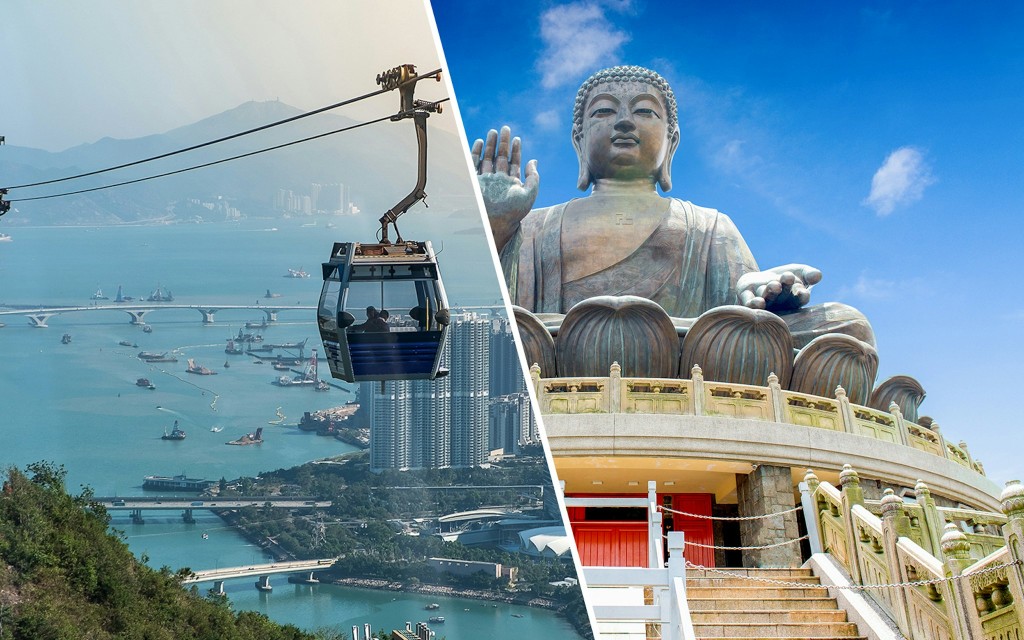


Capture breathtaking views of the Big Buddha, surrounding landscapes, and detailed sculptures showcasing exquisite craftsmanship. Ideal for memorable photos that highlight your spiritual journey.
The Big Buddha, also known as Tian Tan Buddha, is a monumental statue of Lord Buddha located on Lantau Island in Hong Kong. This iconic landmark draws visitors from around the world, offering a majestic sight and a serene spiritual atmosphere. Visitors can explore its surroundings, enjoy panoramic views, and experience the tranquility of this revered site. Standing at 34 meters tall, the Big Buddha is a masterpiece of religious architecture and cultural significance. The statue is complemented by a peaceful temple complex and scenic trails, making it a must-visit for those seeking spiritual insight or stunning vistas. Visiting this site provides a profound connection to Buddhist culture and a chance to enjoy breathtaking natural scenery.
Modest clothing is recommended; shoulders and knees should be covered out of respect for the religious site. Casual, comfortable attire is suitable for exploration and walking.
Your experience
Experience Hong Kong’s fishing village heritage and Lantau’s top sights on a 3-hour guided tour and an otherworldly cable car ride.
Getting started
Begin by redeeming your ticket at the designated meeting point at the Ngong Ping Cable Car Terminal. You can then enjoy your cable car ride for a birds-eye view of Lantau Island.
What to expect
Ngong Ping Cable Car Ride & Lantau Island Guided Tour
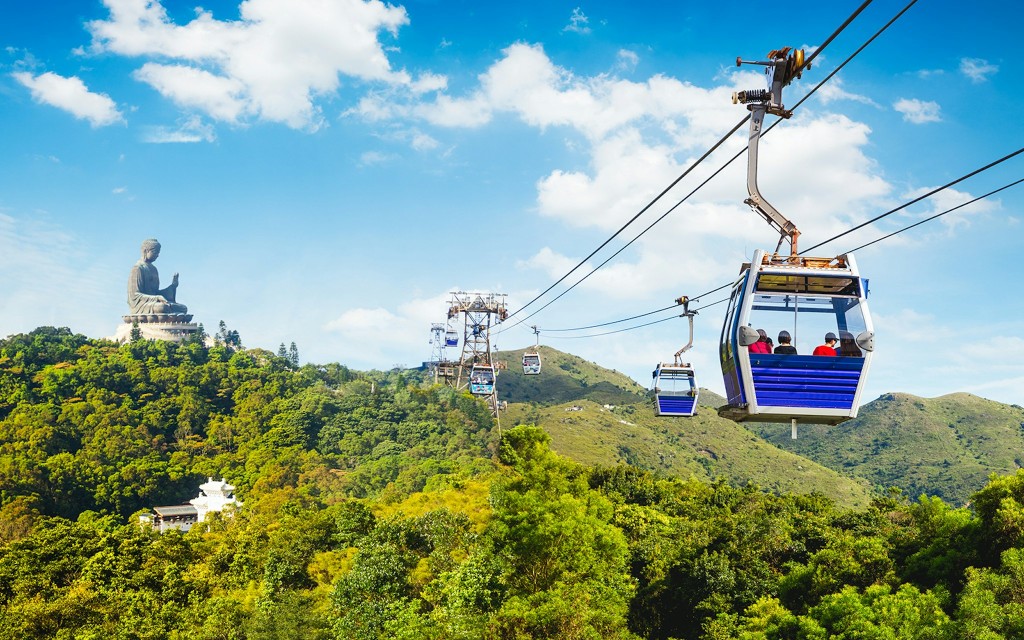
Ride Asia's longest bi-cable ropeway for stunning green vistas and a panoramic view of Lantau Island's key landmarks. Then, enjoy a guided tour of the island, famous for its fishing culture and monasteries.
Features
-
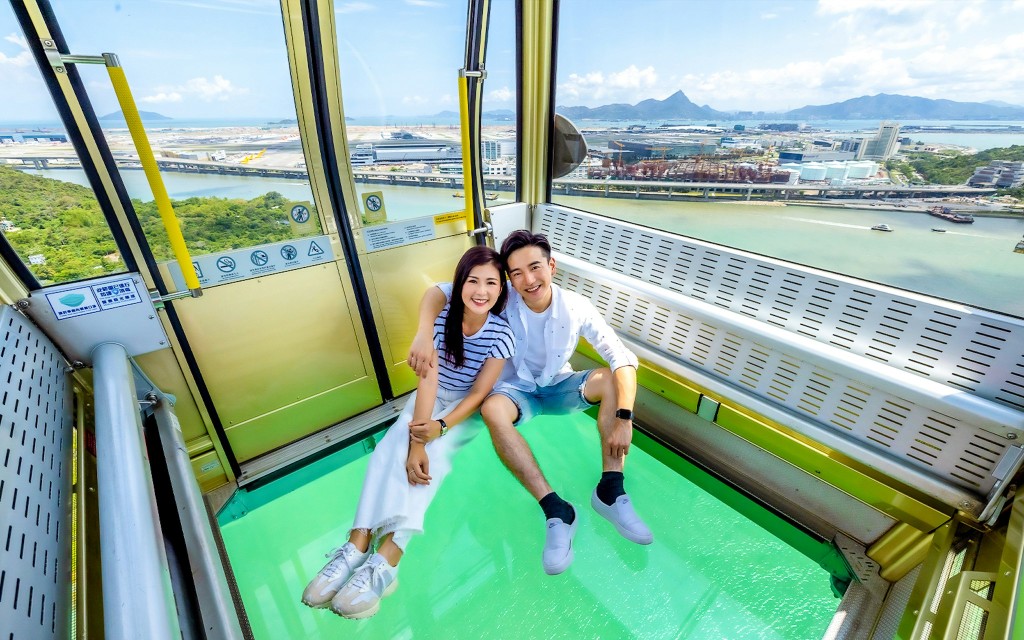
Nong Ping Cable Car Ride: Glide above Lantau’s rolling hills and coastline in a glass cabin, offering panoramic views of the island below.
-
Ngong Ping Village: Explore this cultural hub, known for its blend of local architecture and shops, and as the gateway to Lantau’s major attractions.
-
Tai O fishing village: Board a coach to Tai O, then enjoy a 20-minute boat excursion through waterways lined with traditional stilt houses, a rare sight in modern Hong Kong.
-
Po Lin Monastery: Visit one of Hong Kong’s most significant Buddhist temples, celebrated for its architecture and spiritual importance.
Upgrades
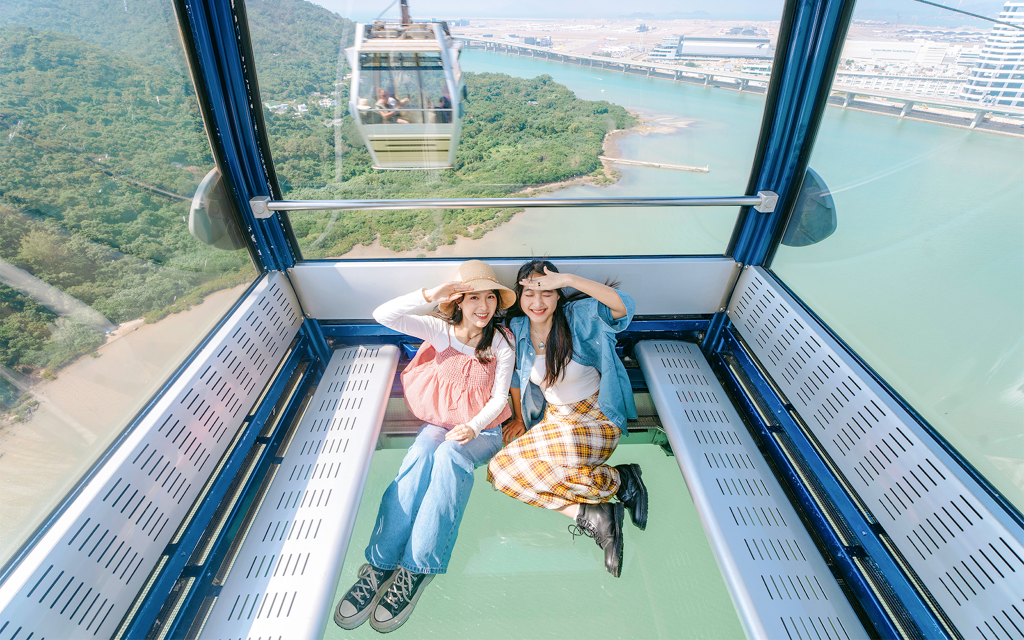
- Crystal Cabin Cable Car Ride: Take your cable car ride a step further with an upgrade to the Crystal Cabins, featuring glass bottoms for sweeping 360-degree views of Lantau Island below.
What's Included
Know Before You Go
What to bring
-
Wear comfortable walking shoes and weather-appropriate clothing.
-
Carry personal items such as sunscreen, hats, and umbrellas for sun or rain protection.
Accessibility
- Guests are responsible for assessing their own physical condition before joining the tour.
Additional information
-
Bookings must be made at least 2 days in advance.
-
Guests must redeem tickets at Tung Chung Cable Car Terminal at least 45 minutes before the assembly time. Latest ticket redemption is at 11:15am; assembly is at 12:00pm at the Holidays 360 Information Center in Ngong Ping Village.
-
The guided tour lasts approximately 3 hours and is conducted in English, Putonghua, or Cantonese.
-
If the cable car service is suspended due to weather or other reasons, the tour will be cancelled or rescheduled. Guests may exchange tickets for another date or request a refund.
-
If the Tai O boat excursion is unavailable, a HK$20 voucher for Ngong Ping 360 Souvenir Shops will be provided.
-
The itinerary and order of activities may change due to traffic or operational reasons.
Instructions
What to Expect
About Big Buddha (Tian Tan): Tickets, Tours & Visitor Information
The Big Buddha, or Tian Tan Buddha, is a large bronze statue situated atop Ngong Ping Plateau on Lantau Island. It was completed in 1993 and symbolizes the harmonious relationship between man and nature. The statue is part of the Po Lin Monastery, a prominent Buddhist temple complex, and serves as a spiritual emblem for the region. The site features a 268-step staircase leading up to the Buddha, offering visitors a rewarding view of the surroundings. The complex includes a museum, meditation rooms, and halls dedicated to Buddhist teachings. Construction of the statue involved intricate craftsmanship, combining traditional and modern techniques to achieve its grandeur and expressive detail. Visitors can ascend the stairs to view the Buddha's serene face close-up and explore the temple grounds, which feature beautifully landscaped gardens and contemplative spaces. The site’s location amidst lush hills and scenic views enhances the tranquil experience, making it ideal for both cultural exploration and relaxation.
Highlights
Why Book Online?
Booking your tickets online guarantees quick, skip-the-line access to Big Buddha, ensuring a seamless experience. It allows better planning of your visit, competitive deal comparisons, and instant confirmation, so you can focus on enjoying the spiritual and scenic beauty of this iconic site.
History
Construction of the Big Buddha was completed in 1993, motivated by the desire to promote Buddhism and cultural heritage. The statue represents harmony, enlightenment, and spiritual awakening. Ngong Ping Village and Po Lin Monastery, adjacent to the statue, have long been centers for religious practice and cultural preservation. The site’s development aimed to combine spiritual significance with tourism, making it accessible and meaningful for visitors worldwide. Over the years, it has become a symbol of Hong Kong’s cultural diversity and spiritual life, attracting millions of pilgrims and tourists annually. The statue’s design incorporates traditional Buddhist symbolism, and its materials were carefully selected to withstand weathering, ensuring longevity. Its construction marked a major milestone in Hong Kong’s cultural landscape, serving both as a religious site and a major tourist attraction.
Opening Hours
The site generally opens from morning until sunset, with specific hours depending on the season. The cable car operates from early morning to late evening, allowing flexible visiting times. Check local schedules for any seasonal adjustments or special closures.
Best Time to Visit
Plan your visit during weekdays or early mornings to avoid crowds and enjoy a more peaceful experience. Spring and autumn offer the most comfortable weather and clear vistas.
What to See Inside
Inside the temple complex, visitors are greeted by serene prayer halls, intricate statues, and inspiring murals depicting Buddhist teachings. The main hall houses an impressive statue of Sakyamuni Buddha, surrounded by smaller statues and offering a tranquil setting for reflection. The museum showcases Buddhist artifacts, including ancient relics, calligraphy, and ceremonial objects that provide insight into spiritual practices. The area also includes meditation spaces and quiet corners for contemplation. Climbing the staircase provides a closer view of the Buddha’s peaceful visage and an opportunity to appreciate the craftsmanship involved in its creation. The surrounding gardens and viewing decks offer breathtaking vistas of islands, mountains, and ocean, completing the spiritual journey with natural beauty.
Things to Know
Wear comfortable shoes suitable for climbing steps. Bring sun protection, water, and a camera. The site can be busy during weekends and holidays. Respect local customs and maintain a respectful demeanor. Mobile connectivity is available but may be limited in some areas.
Visitor Rules
Maintain silence or speak quietly inside the temple. No smoking or vaping within the premises. Photography is allowed but avoid flash in prayer areas. Do not disturb monks or worshippers. Follow designated pathways and signage at all times.
Is It Worth Visiting?
A trip to the Big Buddha offers an unforgettable blend of spiritual serenity, cultural insight, and stunning scenery. Its grandeur and peaceful ambiance provide a unique experience that deeply enriches any travel itinerary.
Frequently Asked Questions
Typically, a 2 to 3-hour visit allows enough time to explore the statue, temples, and enjoy the scenery.
Access to the site is free; however, certain facilities like the museum or cable car may require tickets.
Visitors can climb the 268 steps leading up to the Buddha for a closer view.
The most popular way is via the Ngong Ping 360 cable car from Tung Chung Station, offering scenic views en route.
Yes, there are cafes and restaurants in Ngong Ping Village offering local and tourist-friendly cuisine.
Accessibility options are limited due to the stairs; inform staff about your needs for assistance or alternative arrangements.
Comfortable shoes, sun protection, water, and a camera are recommended for a pleasant experience.
How to Get There
Take the MTR to Tung Chung Station, then ride the Ngong Ping 360 cable car for scenic views directly to the site. Alternatively, buses and taxi services are available from central Hong Kong to Ngong Ping Village.
Modest clothing is recommended; shoulders and knees should be covered out of respect for the religious site. Casual, comfortable attire is suitable for exploration and walking.